
Earplugs and earmuffs play an important role in protecting workers from hazardous noise. However, hearing protection should not be the only measure used to manage noise exposure in the workplace.
Personal protective equipment does not remove the noise hazard. It only reduces the amount of noise reaching the individual worker, and its effectiveness depends on selecting the right protection, achieving a suitable fit, keeping it in good condition and wearing it correctly and consistently. WorkSafe Queensland recommends using hearing protection alongside other noise controls rather than relying on PPE alone.
Start by Controlling Noise at the Source
The hierarchy of controls prioritises eliminating a hazard wherever reasonably practicable. Where elimination is not possible, employers should work through other controls before relying primarily on PPE.
Practical workplace noise controls may include:
- Replacing noisy equipment with quieter alternatives
- Enclosing or isolating machinery
- Installing acoustic barriers or soundproof covers
- Moving noisy equipment away from workers
- Maintaining machinery to reduce unnecessary noise
- Limiting the time workers spend in high-noise areas
- Scheduling noisy activities when fewer people are present
These controls can reduce exposure for everyone in the area, including workers who may not be wearing hearing protection.
Understand the Actual Noise Risk
A professional workplace noise assessment can help identify:
- The main sources of hazardous noise
- Which workers or work groups may be exposed
- How long workers spend near each noise source
- Whether existing controls are effective
- Where further risk controls may be required
In Queensland, the workplace noise exposure standard is an eight-hour equivalent level of 85 dB(A) or a peak level of 140 dB(C). Employers must manage risks associated with noise-related hearing loss and ensure worker exposure does not exceed this standard.
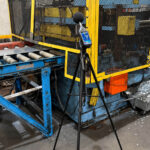
Noise measurements should be taken using appropriate, calibrated equipment. Smartphone applications should not be relied upon for formal workplace noise assessments because they may not provide sufficient accuracy for workplace health and safety purposes.
Use Hearing Protection as Part of a Broader Program
There will be workplaces where hearing protection remains necessary even after other controls have been introduced. In these situations, employers should ensure the selected earplugs or earmuffs are appropriate for the worker, task and noise environment.
Workers should also receive clear instruction on:
- When hearing protection must be worn
- How to fit and use it correctly
- How to inspect and maintain it
- When damaged or worn protection should be replaced
- Where designated hearing protection areas apply
The effectiveness of the overall noise-management approach should be reviewed regularly, particularly when machinery, processes, shift lengths or workplace layouts change.
Do Not Overlook Audiometric Testing
Workplace noise monitoring assesses the environment, while audiometric testing monitors an individual worker’s hearing thresholds.
Queensland employers must provide audiometric testing when workers are required to use hearing PPE because their work exposes them to noise above the exposure standard. Timing requirements include an initial test within three months of commencing the relevant work and ongoing testing at least every two years, although transitional arrangements may apply to some existing workers.
Audiometric testing is an important monitoring measure, but it does not control or prevent hazardous noise by itself. It should form part of a broader hearing conservation program that includes risk assessment, effective controls, worker consultation, training and regular review.
Take a More Complete Approach to Workplace Noise
Hearing protection is valuable, but it should be the final layer of defence rather than the entire noise-control strategy.
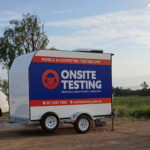
Onsite Testing provides professional workplace noise assessments and mobile audiometric testing across South East Queensland and regional Queensland. Our team can help you better understand worker exposure and develop a practical testing program suited to your workplace and operations.
Call 07 3282 7082 or enquire online to request a free, no-obligation quote.