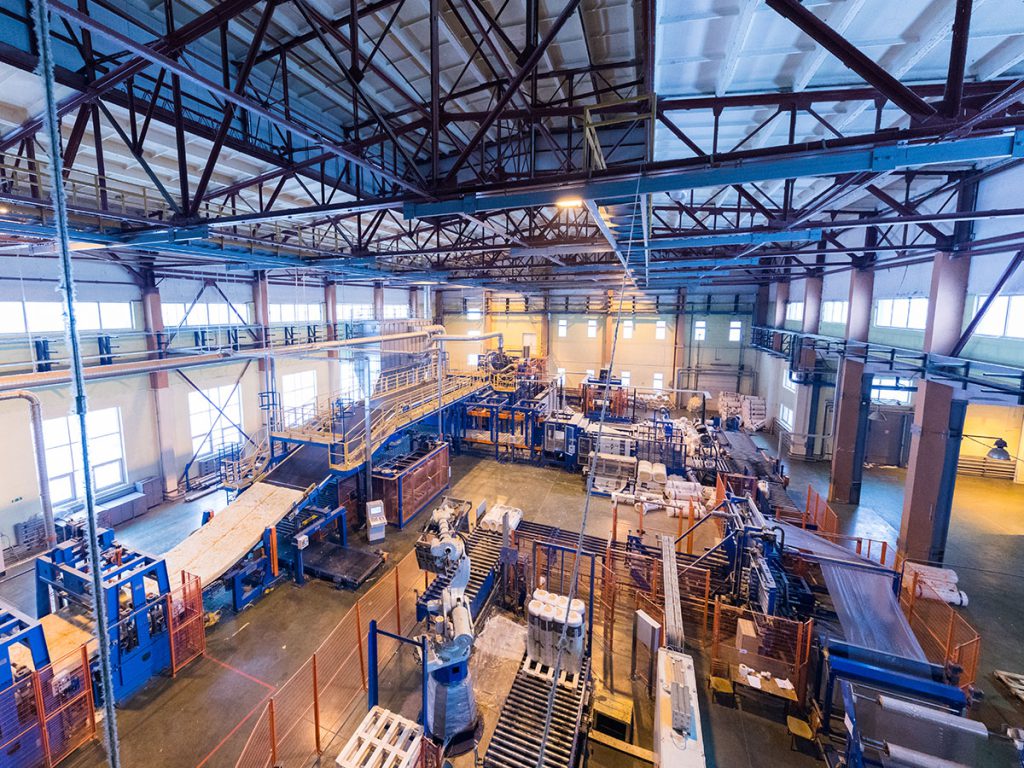
Hazardous noise is not always obvious. Exposure can build over time, particularly where workers move between noisy equipment, machinery, vehicles and work areas throughout a shift.
Recognising the early warning signs can help employers identify when a professional workplace noise assessment may be needed.
Workers Need to Raise Their Voices
A practical warning sign is when workers need to raise their voices to speak with someone approximately one metre away. This does not confirm that the workplace exceeds the exposure standard, but it indicates that noise levels should be investigated.
Workers Experience Ringing or Temporary Hearing Changes
Ringing in the ears, known as tinnitus, during or after work may indicate exposure to hazardous noise. Workers may also notice that their hearing feels reduced at the end of a shift before gradually returning to normal. These symptoms should not be ignored.
Instructions and Warning Signals Are Difficult to Hear
Workplace noise can create broader safety risks when workers cannot clearly hear instructions, alarms, reversing signals or approaching vehicles and machinery. It may also interfere with communication and concentration.
Hearing Protection Is Used Regularly
If workers are routinely required to wear earplugs or earmuffs, the business should understand the noise levels involved and confirm whether existing controls are effective.
Hearing protection is an important safeguard, but it does not remove the noise hazard. Employers should first consider controls such as quieter equipment, machinery isolation, acoustic barriers, maintenance and reducing the time workers spend near significant noise sources.
Machinery or Workplace Conditions Have Changed
New equipment, increased production, longer shifts, altered work areas or changes to operating processes can affect worker noise exposure. A previous assessment may no longer represent current workplace conditions after significant changes.
When Should Hazardous Noise Be Assessed?
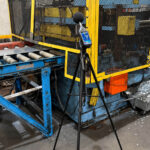
In Queensland, the workplace exposure standard is an eight-hour equivalent noise level of 85 dB(A) or a peak noise level of 140 dB(C). The only reliable way to understand worker exposure is through appropriate workplace noise measurements that consider both noise levels and exposure duration.
Onsite Testing provides professional workplace noise monitoring and assessments across South East Queensland and regional Queensland. Our team uses calibrated equipment and provides clear reporting to help employers understand noise exposure and identify practical next steps.