Noise Monitoring
Noise assessments conducted across Brisbane, South East Queensland and regional Queensland, helping employers understand workplace noise exposure and make informed decisions to protect their workers.
Understand Your Workplace Noise
Accurate measurements provide the evidence needed to manage noise risks effectively.
Onsite Testing provides workplace noise monitoring and preliminary noise assessments for businesses across Queensland. Using calibrated Class 1 Sound Level Meters, we conduct noise measurements in accordance with AS/NZS 1269.1 to identify work areas, plant, tasks and equipment that may expose workers to noise at or above the workplace noise exposure standard. Following the assessment, you receive a clear written report outlining the findings, identified noise risks and practical recommendations.
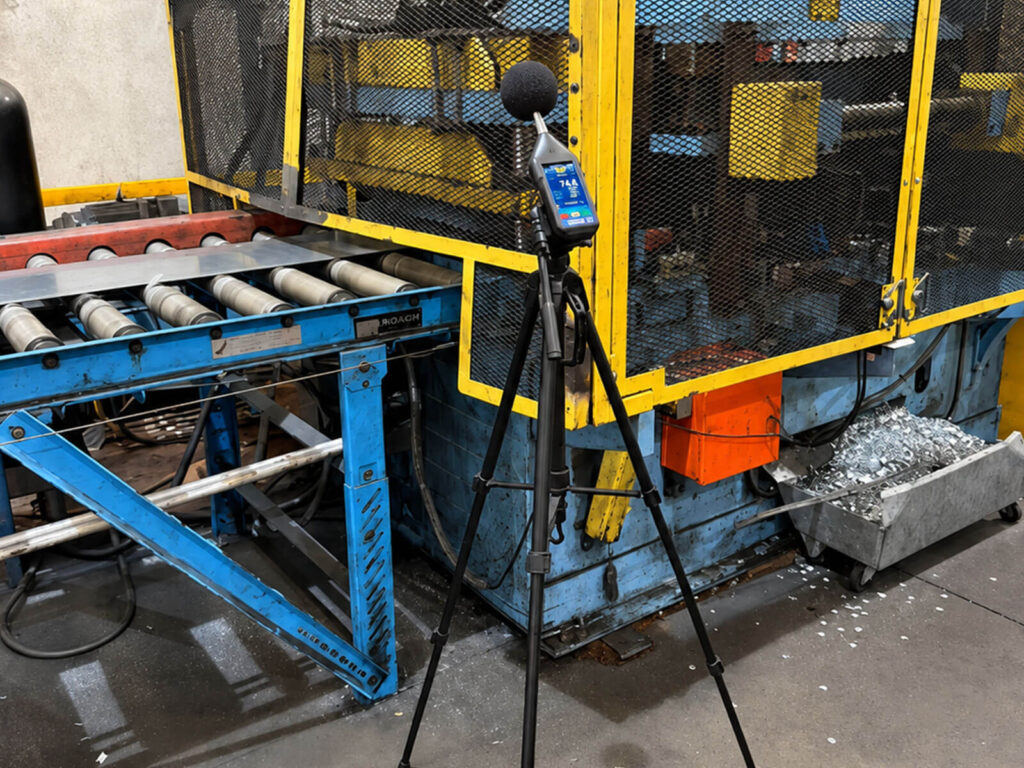
Class 1 Calibrated Equipment
Noise measurements are completed using calibrated, industry-standard Class 1 Sound Level Meters to support accurate and dependable results.
FLEXIBLE SCHEDULING
We offer flexible scheduling, coordinating assessments around your normal site operations and shift arrangements to capture representative noise levels across different work activities and operating conditions.
Worker Exposure Insights
Identify work areas, plant, tasks and equipment that may expose workers to noise at or above the workplace exposure standard to support informed decision making.
CLEAR, PRACTICAL REPORTING
Receive a clear, written report outlining preliminary assessment findings, identified noise risks and practical recommendations to support workplace noise management.
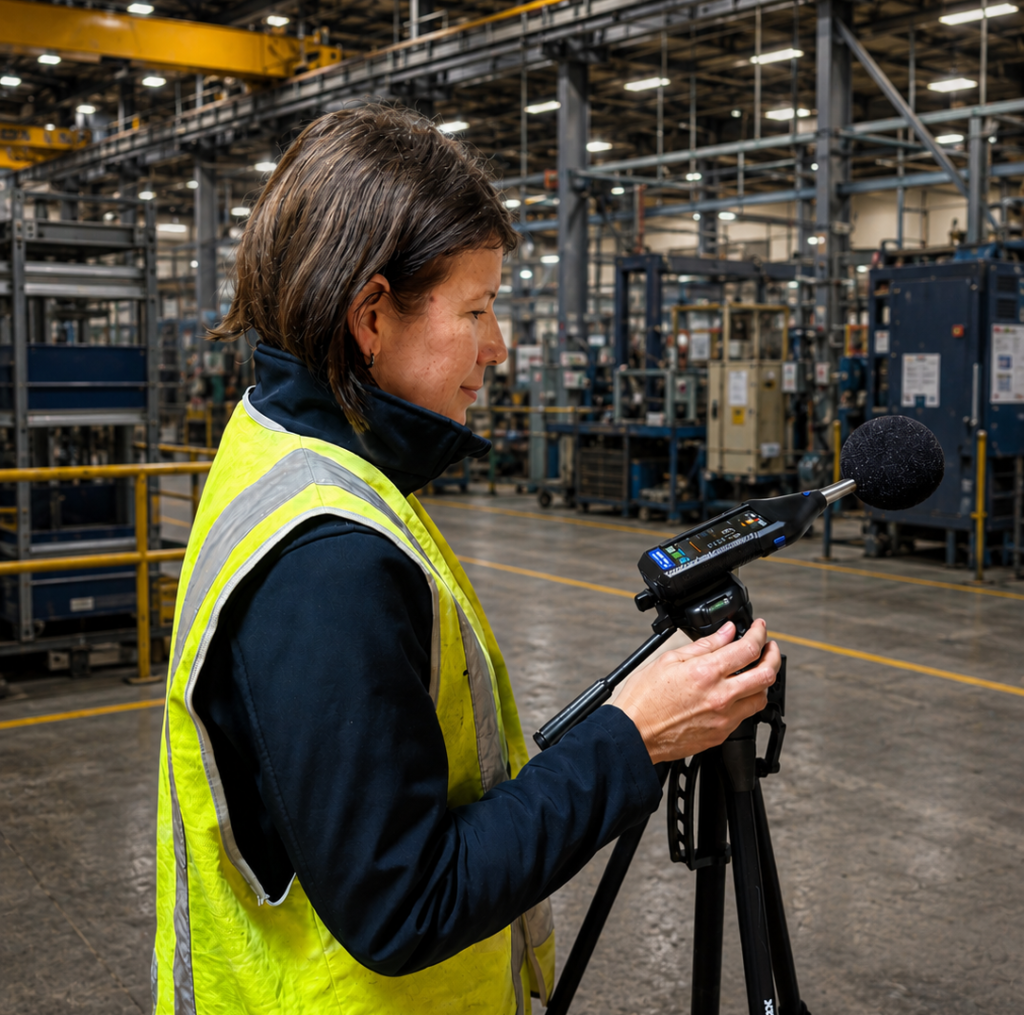
Testing Around Your Operations
PRELIMINARY Noise Assessments
FOR YOUR WORKPLACE
To obtain representative noise exposure data, our preliminary noise assessments are conducted while normal work activities are being performed. We co-ordinate assessments around your worksite operations, shift rosters and production schedules to capture typical workplace noise levels while working with your operational requirements.
Noise measurements are conducted in accordance with the principles of AS/NZS 1269.1 by an assessor competent in workplace noise monitoring activities, including achievement of MSS025025 (Monitor and Evaluate Noise). Monitoring is conducted using a calibrated Class 1 Sound Level Meter.
Know Your Noise Risk
Accurate measurement provides the evidence you need to make informed decisions.
Why Workplace Noise Monitoring Is Important
PCBUs have a duty to identify workplace hazards and manage risks to health and safety, including the risk of hearing loss associated with workplace noise. But workplace noise isn’t easy to judge by listening alone. Noise levels can vary significantly between different work areas, tasks, plant and equipment, and throughout a normal working day.
Onsite Testing offers preliminary noise assessment, a practical first step in understanding noise hazards in your workplace. By taking measurements during normal operations, we help identify work areas, tasks, plant and equipment with the potential to expose workers to noise at or above the workplace noise exposure standard:
- LAeq,8h of 85 dB(A)1, or (a worker’s average noise exposure over a standard 8 hour workday)
- LC,peak of 140 dB(C)2 (the loudest instantaneous noise peak a person is exposed to)
The findings can help you identify potential noise risks, review existing controls and hearing protection requirements, and determine whether further investigation may be required.
Understanding workplace noise can also help determine whether audiometric testing requirements apply. Since 29 July 2025, Queensland PCBUs must provide audiometric testing for workers who are required to use hearing protection because their workplace noise exposure exceeds the exposure standard.
How the Assessment Is Conducted
- We perform noise monitoring using Class 1 Sound Level Meters. This involves recording measurements of key noise sources (such as plant, equipment and work activities) during a typical working shift.
What Is Included
- Walk through of nominated work areas with an appointed representative of the business and measurements of key sound sources (plant, equipment and tasks identified in consultation) using Class 1 Sound Level Meters.
- A noise monitoring report which provides the following details:
- Description of the areas, plant, processes and activities assessed;
- Summary of noise measurement data, including LAeq, LCpeak and LAFmax results;
- Preliminary assessment findings, including likelihood of workplace noise exposure approaching or exceeding the workplace exposure standard under the conditions observed during the assessment.
Trusted by Queensland organisations to Support Safer Workplaces.







Noise Monitoring FAQs
Clear answers about workplace noise assessments, exposure measurements and reporting.
What is workplace noise monitoring?
Workplace noise monitoring is the process of measuring noise generated by plant, equipment, tools, processes and work activities. The measurements help determine the level and duration of noise workers may be exposed to and whether further action may be required to manage the risk of hearing loss.
AS/NZS 1269.1 provides for both preliminary and detailed workplace noise assessments, depending on the nature of the workplace and the information required. If no previous assessment has been carried out (or previous assessments are more than 5 years old) then a preliminary assessment can be carried out to document the noise environment. If high noise levels are identified, simple noise controls should be introduced. A detailed assessment is required where more complex noise sources are present.
What is the workplace noise exposure standard in Queensland?
Under Queensland’s Work Health and Safety Regulation 2011, the workplace noise exposure standard is:
- An eight-hour equivalent continuous noise level, known as LAeq,8h, of 85 dB(A)
- A C-weighted peak noise level, known as LC,peak, of 140 dB(C)
A person conducting a business or undertaking must manage risks relating to noise-induced hearing loss and ensure workers are not exposed above this standard
How is workplace noise monitoring conducted?
The process generally begins with a discussion about your workplace, operations, work groups, equipment and areas of concern. The assessor then observes representative work activities and takes measurements of machinery, processes and tasks (taken 10-20cm from the worker’s ear canal entrance). Assessments should reflect typical operating conditions.
What equipment is used to measure workplace noise?
Onsite Testing uses calibrated Class 1 Sound Level Meters to measure occupational noise. The equipment used, calibration information and measurement methodology are documented within the noise monitoring report.
How long does a workplace noise assessment take?
The time required depends on the size and complexity of the workplace, the number of work areas and noise sources, the range of tasks being assessed and whether workers perform different duties throughout the shift.
A smaller workshop may require a comparatively short site visit, while a larger industrial facility may require a longer assessment. We will discuss the key sound sources and proposed scope with you before attending the site.
Will noise monitoring disrupt our operations?
Noise monitoring is generally completed while normal work activities are taking place because the measurements need to represent typical operating conditions.
Our team will coordinate the assessment with your nominated contact and plan measurements around production, shift changes, access requirements and site safety procedures. The aim is to collect meaningful data while keeping disruption to workers and operations to a minimum.
Is workplace noise monitoring the same as audiometric testing?
No. Workplace noise monitoring assesses noise within the work environment and helps determine the exposure workers may receive.
Audiometric testing measures an individual worker’s hearing threshold levels. The two services perform different functions, but they may form part of the same workplace hearing conservation program.
Where workers are required to use hearing protection because of noise exceeding the exposure standard, Queensland regulations require audiometric testing within three months of commencing that work and at least every two years thereafter.
Pricing Packages
Request a Workplace Noise Assessment Quote
Tell us about your workplace, operations and testing requirements, and our team will provide a free, no-obligation quote tailored to your site, workforce and schedule.
"*" indicates required fields